-
Continue reading →: Parenting is Hard, and Worth Every Minute
There is a kind of pain in parenting that I don’t think we talk about enough. It’s the pain of watching your child hurt—and knowing you can’t fix it. Despite our greatest efforts to guide them, protect them, prepare them, and love them with everything we have, there are some…
-
 Continue reading →: Work Life Balance, Do Less to Live More
There is a particular kind of exhaustion that comes from being good at what you do. Not just competent. Not just dependable. The person who gets things done. The one who works a little harder. Stays a little later. Notices what everyone else missed. Takes pride in doing things well.…
-
 Continue reading →: Pay Attention: People Will Tell You Exactly Who They Are
Maya Angelou’s famous advice—“When people show you who they are, believe them the first time” speaks to a truth we sometimes choose to overlook. People show you who they are. More often than we realize, they also tell us. The challenge is that we do not always believe them. It…
-
 Continue reading →: Protest with Joy: From Clarity to Extraordinary
TL;DR:You don’t need more time—you need more intention. When you get clear on what you need and choose joy on purpose, you begin to shift what you attract. Start small. Stay intentional. Let the ripple effect do the rest. It Started with a Conversation I Didn’t Know I Needed I…
-
Continue reading →: Fall
What is your favorite type of weather? The air is crisp, the leaves are turning Brown, and red, orange and yellow I run to catch them, the chase compelling We take the time to rake them neatly all to jump in and defeat them The pumpkins, the candied apples, marshmallows…
-
 Continue reading →: We’ve Never Been More Connected — Yet Loneliness Is Rising
Loneliness isn’t just an emotional experience—it’s a health risk. Research shows social isolation can increase dementia risk by around 50%, raise the likelihood of chronic illness, and increase the risk of early death. The good news? Social connection is powerful medicine. Small acts—volunteering, joining a community group, or simply checking…
-
 Continue reading →: Clarity Creates Space
TL;DR: When life feels too full to grow, the answer isn’t more time — it’s more clarity. Clarify what matters, build small systems, and get 1% better each day. Clarity creates space. Space creates growth.
-
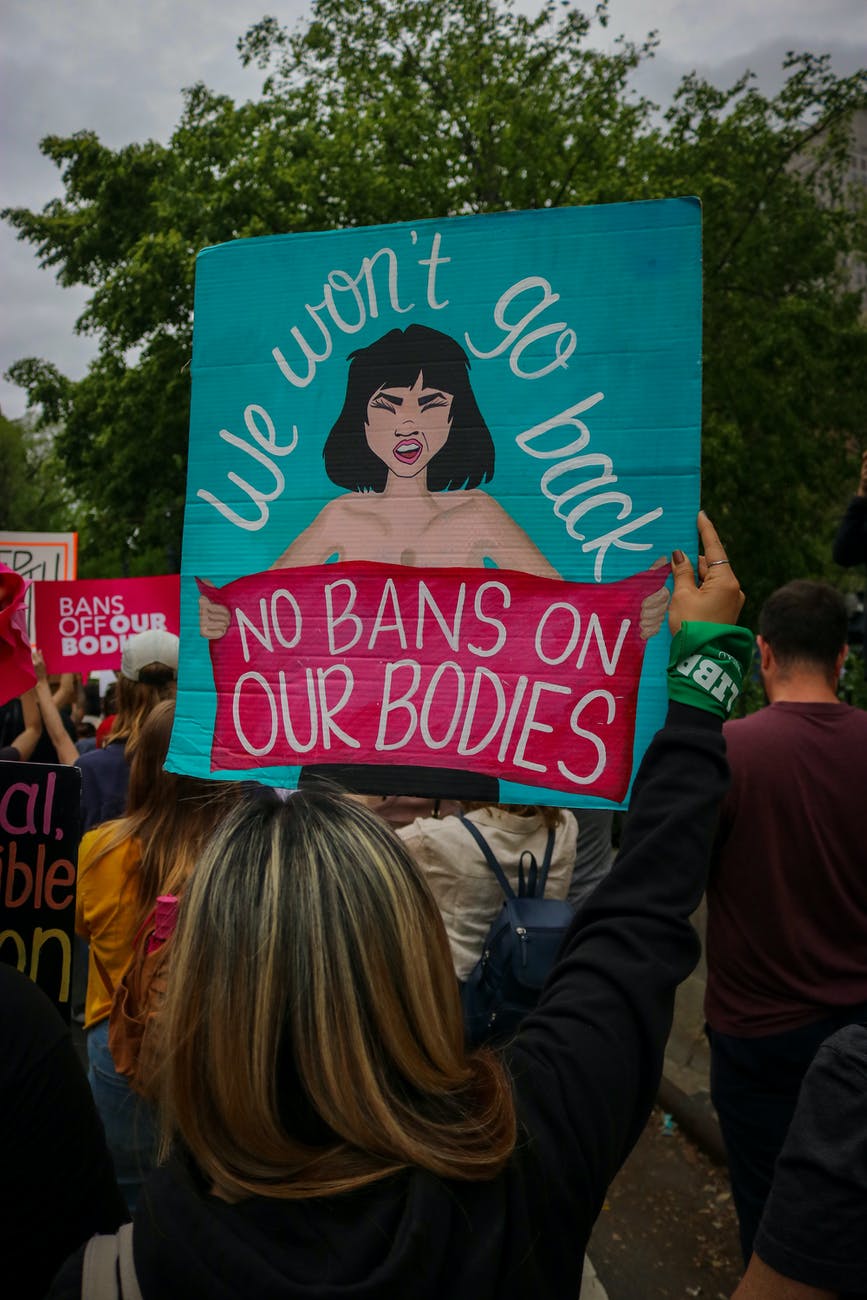 Continue reading →: I feel like I was punched in the gut
I literally just read the awful news that Roe v. Wade was overturned by the Supreme Court. I feel like I cant breathe. Everyday it seems like rights are taken from us. Death, destruction, war, panic, fear, opportunity, options at all for some. We as people are being stifled and…
-
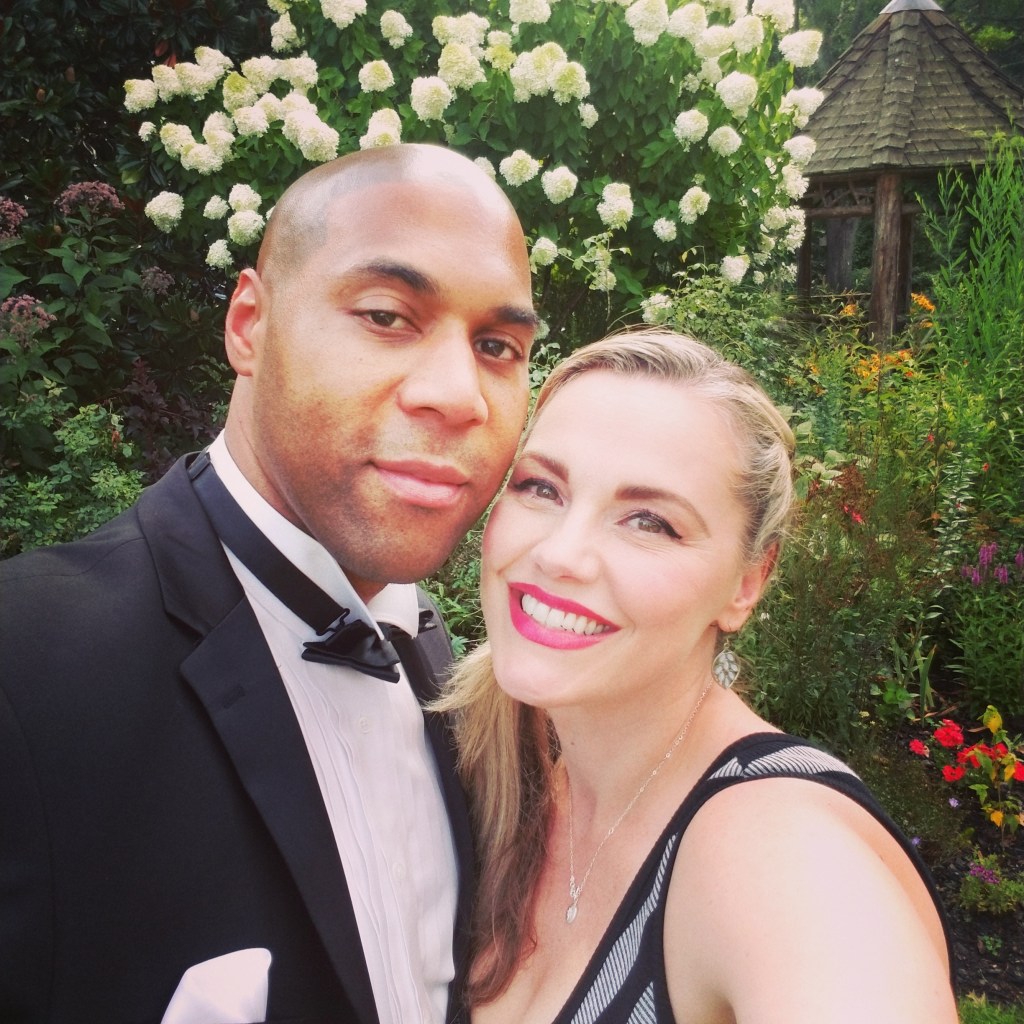 Continue reading →: True love
Once upon a time I walked alone, with no true love to call my own. I gave all, did all, was all to all, hoping maybe to receive all. But I didn’t because I didn’t believe true love existed. It only lived in the romantic comedies I watched. In the…
-
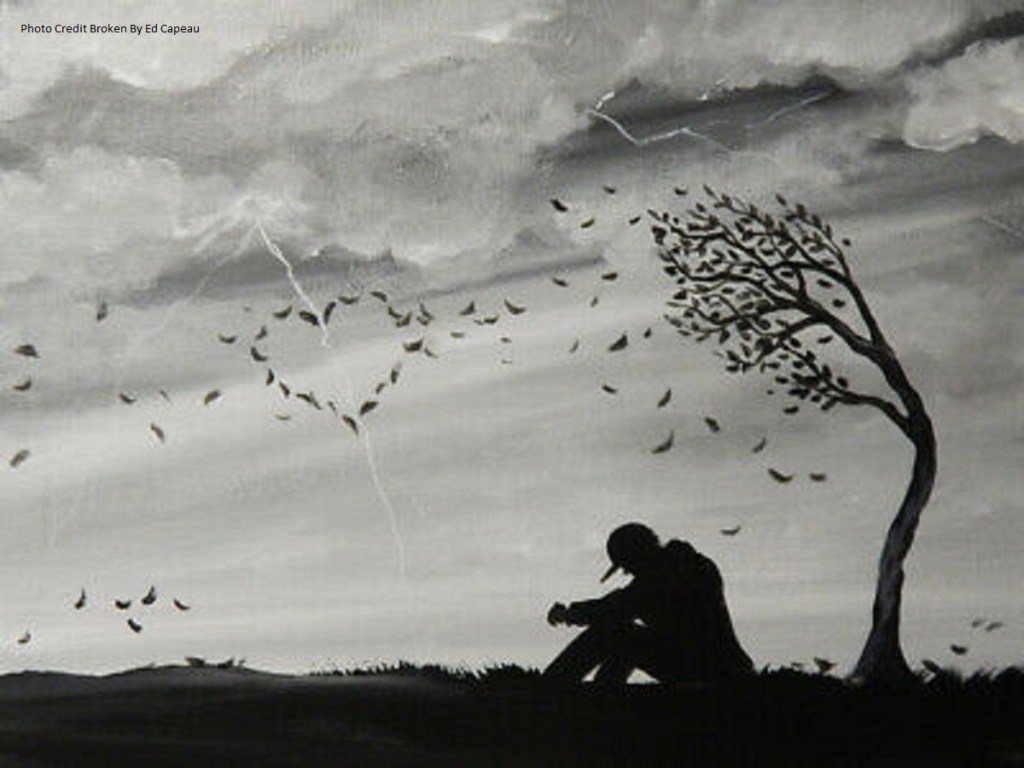 Continue reading →: Who am I?
Who am I? Who do I wish to be? Do I play it safe or Do I choose something risky? Am I a mother? Am I a wife? Am I a woman? Am I a child? Am I a worker? Am I good? Am I bad? Am I happy? Am…
Hello,
I’m Missy

A counselor-turned-coach, writer, wife, mom and fellow human figuring out how to make room for what matters in a very full life.
This is where I write about work, family, relationships, personal growth, and all the messy space between. Look forward to hearing your stories too!
Join the fun!
Stay updated with the latest inspiration and ideas by joining my newsletter.

